
The Best Scuba Diving Spots in Cyprus
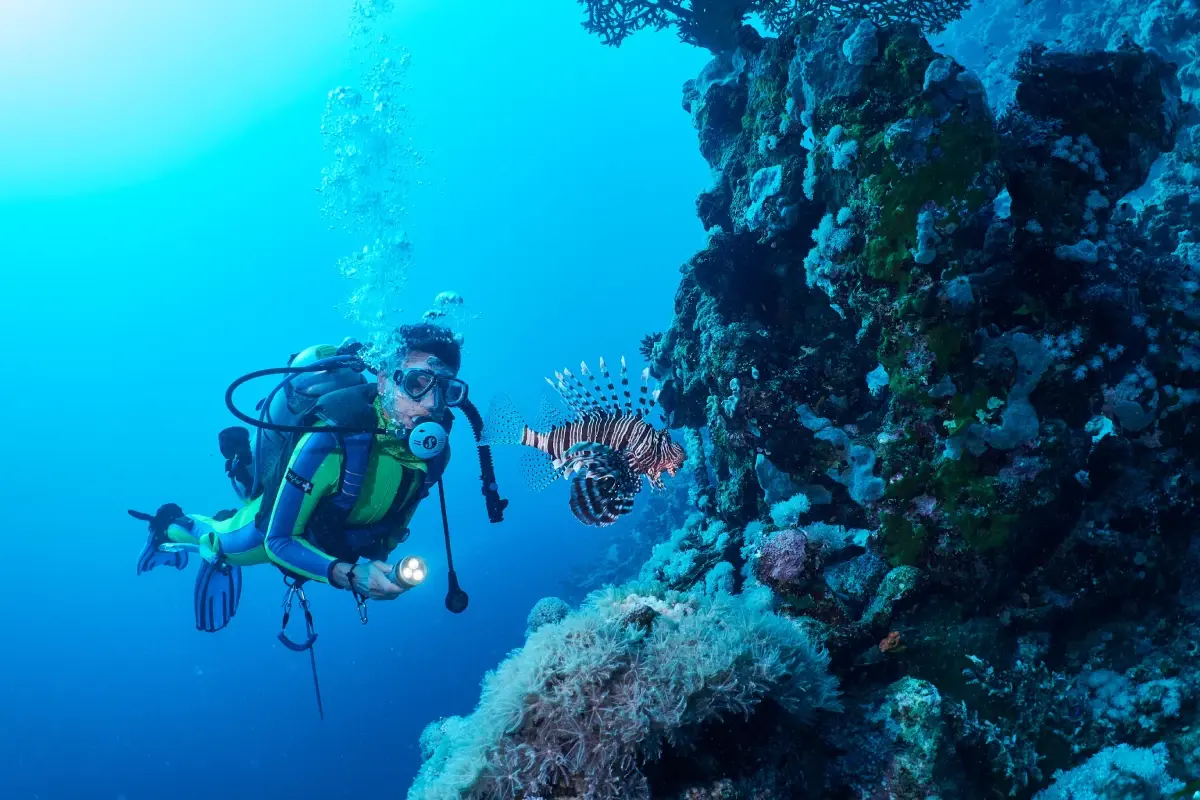
With its crystal-clear Mediterranean waters and vibrant marine life, Cyprus is home to some of the region's most rewarding diving destinations. From world-famous shipwrecks and colourful reefs to underwater caves and dramatic rock formations, the island offers unforgettable experiences for both beginners and seasoned divers. Whether you're taking your first breath beneath the surface or searching for your next underwater adventure, these are some of the best places to go scuba diving in Cyprus.
Zenobia Wreck – Larnaca
Off the coast of Larnaca lies one of the world's most celebrated wreck dives. Resting at depths ranging from sixteen to forty-two metres, the Swedish-built ferry Zenobia sank in 1980 and now sits on the seabed with its cargo of forty-two lorries still remarkably intact. As you descend, the enormous steel hull gradually comes into view. Cargo trailers, passageways and intricate structural details are clearly visible thanks to the exceptional underwater visibility. Schools of fish weave effortlessly through the wreck, bringing this vast steel giant to life. The Zenobia is a true bucket-list dive for experienced divers. Its impressive size and depth mean every visit reveals something new, making it a site that rewards repeat exploration. If Larnaca is part of your Cyprus holiday itinerary, this legendary wreck deserves a place at the very top of your list.
Green Bay – Protaras
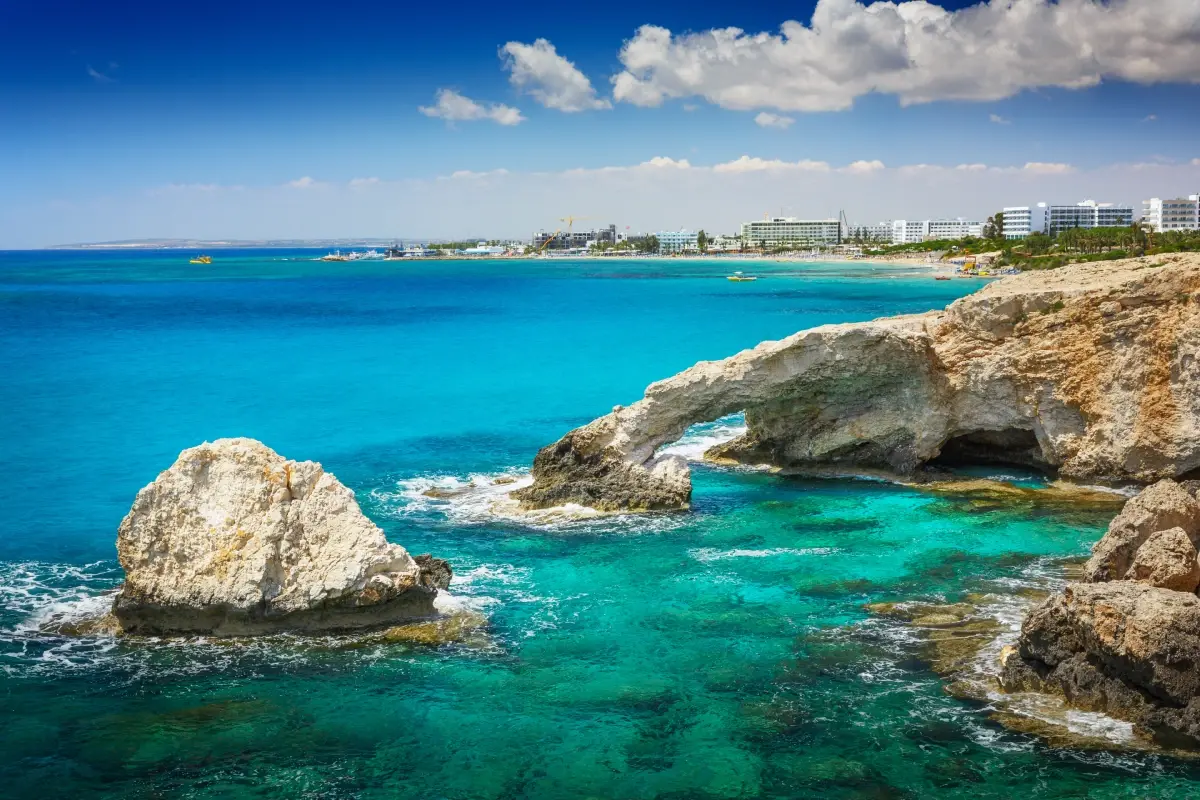
Calm, shallow and welcoming, Green Bay provides the perfect introduction to scuba diving. The seabed slopes gently away from the shore, allowing beginners to gain confidence as they descend at a relaxed pace. Beneath the surface, a collection of underwater statues and man-made sculptures creates the atmosphere of a silent museum. The crystal-clear water allows every detail to be appreciated, offering a fascinating blend of history, art and nature. Sea turtles, octopuses and colourful reef fish are frequent visitors, adding even more life to the experience. If you're looking for a peaceful and accessible dive site, this sheltered bay in Protaras is an excellent choice. Safe, tranquil and educational, it's also ideal for anyone trying scuba diving for the first time during their Cyprus holiday.
Amphorae Cave – Ayia Napa
Named after the ancient amphorae resting on its seabed, Amphorae Cave is one of Ayia Napa's most captivating underwater sites. Narrow passages lead into spacious chambers, creating an exciting dive that balances exploration with serenity. The outstanding visibility highlights the cave's textured rock formations, while shafts of natural light filter through openings above, creating breathtaking visual effects. For underwater photographers, the cave offers an endless variety of compositions, with every beam of sunlight telling a different story beneath the surface. Sea turtles and octopuses are often spotted among the rocks, quietly inhabiting this remarkable underwater world. Where history and nature meet, Amphorae Cave delivers a diving experience unlike any other. It is an excellent choice for those seeking both adventure and tranquillity in a single dive.
Cape Greco – Ayia Napa
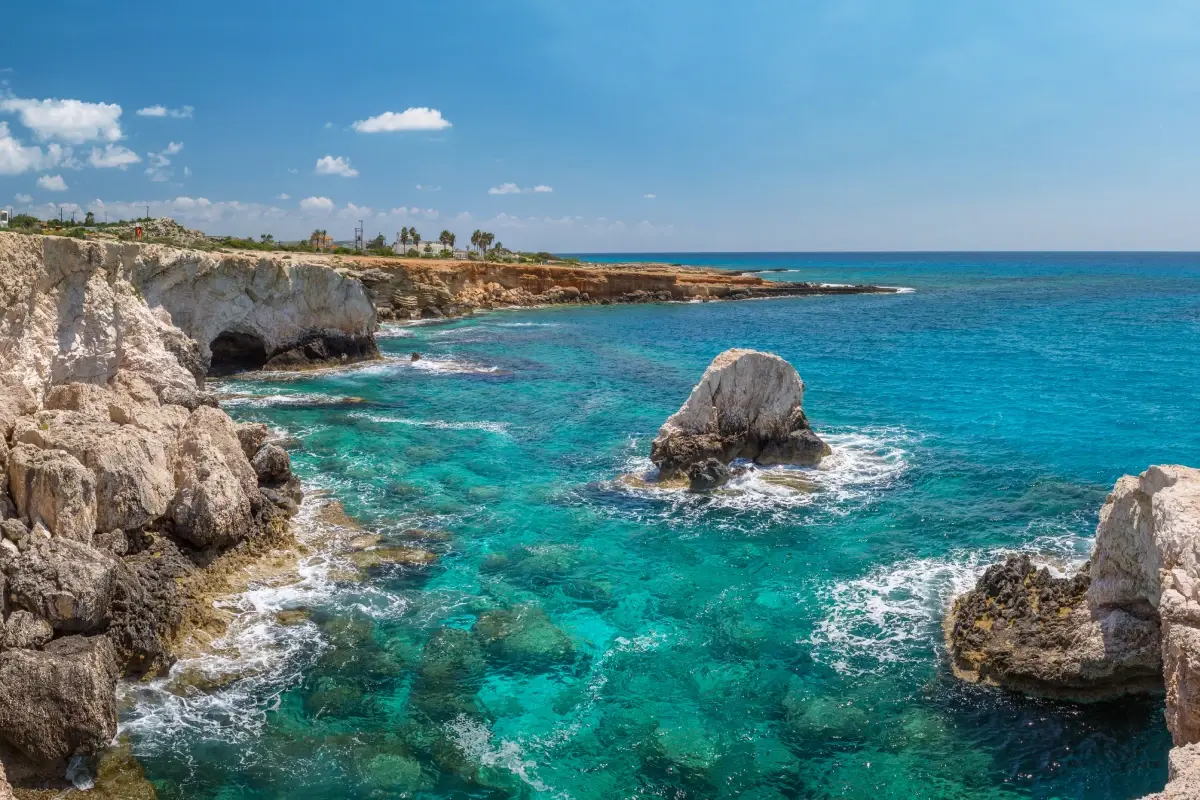
Towering cliffs, dramatic sea caves and deep sapphire waters make Cape Greco one of the most iconic diving destinations in Cyprus. Beneath the surface, its natural rock formations create an intricate underwater labyrinth waiting to be explored. More challenging dive sites such as Devil's Head provide experienced divers with an exhilarating adventure, while the crystal-clear waters allow everyone to enjoy encounters with turtles, octopuses and vibrant shoals of fish. Even snorkellers can appreciate part of the area's extraordinary underwater beauty from the surface. Cape Greco has a remarkable ability to make visitors slow down and appreciate nature on a grand scale. If you want to experience the island's wild, unspoilt side beneath the waves, few places compare.
Kyrenia Wrecks – Northern Cyprus
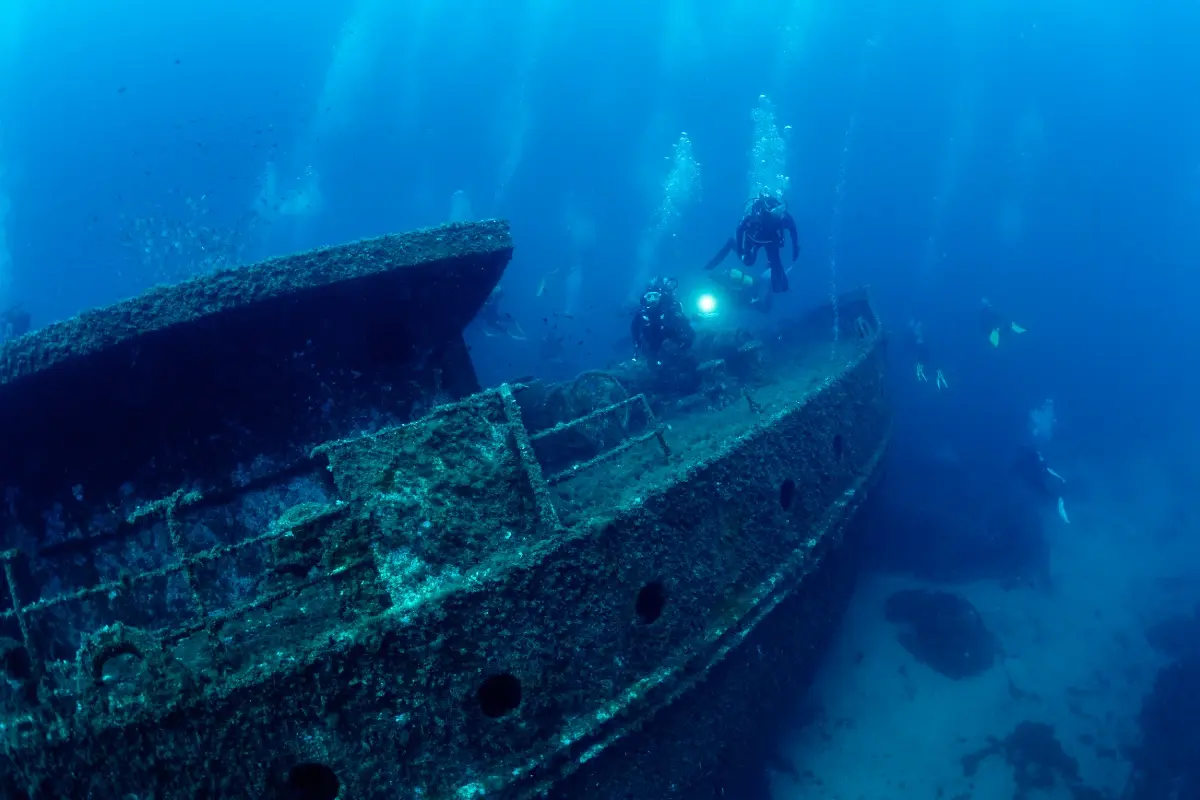
If you're planning a holiday in Northern Cyprus, the coastline around Kyrenia deserves a dedicated place on your diving itinerary. Nearly twenty dive sites are scattered along the eastern and western shores, many of which can be explored through guided coastal dive safaris. The region's greatest archaeological treasure is the famous Kyrenia Shipwreck, now exhibited at Kyrenia Castle. Dating back to the era of Alexander the Great, this 2,300-year-old merchant vessel is recognised as one of the oldest shipwrecks ever recovered from the sea. Its amphorae, millstones and personal belongings of the crew have all been carefully preserved. Divers can also explore the waters where this extraordinary discovery was originally made. Excellent visibility and comfortable diving conditions make the area suitable for both beginners and experienced divers alike. It is worth remembering that independent diving is prohibited along the Northern Cyprus coastline, and removing historical artefacts from the seabed is strictly illegal. Diving with a licensed guide not only ensures your safety but also helps protect this remarkable piece of Mediterranean history.
Dragon Cave – Ayia Napa
A mystical atmosphere, dramatic rock formations and spectacular natural light make Dragon Cave one of Ayia Napa's most memorable dive sites. Its name comes from the cave's distinctive rock formations, which resemble the shape of a dragon. Narrow entrances lead divers into spacious underwater chambers filled with extraordinary scenery. The calm, crystal-clear water enhances the cave's striking light effects, where shadows and sunlight combine to create an almost cinematic experience. Sea turtles, octopuses and a wide variety of fish complete this peaceful underwater setting. Suitable for both beginners and advanced divers, Dragon Cave offers an experience that appeals to anyone with a passion for exploration. Every dive reveals new perspectives hidden within its remarkable rock formations.
Karpaz Peninsula – An Untouched Natural Paradise
Located in the north-eastern corner of the island, the Karpaz Peninsula is one of Cyprus's most pristine coastal regions. Its untouched shoreline is matched by equally tranquil and diverse underwater landscapes. A dive site known as Canyon is famous for its narrow underwater channels and dramatic rock formations. Swimming through these natural corridors offers both visual spectacle and a gentle sense of adventure. Chimney Bay, meanwhile, is renowned for its chimney-shaped rock formations that create an entirely different underwater landscape. Coral-covered rocks, sea turtles, groupers and octopuses can all be encountered at both locations. With depths ranging from ten to twenty-five metres, these sites accommodate divers of varying experience levels. Combined with the peaceful atmosphere of the Karpaz Peninsula itself, the underwater silence creates some of the most relaxing moments of any holiday in Northern Cyprus.
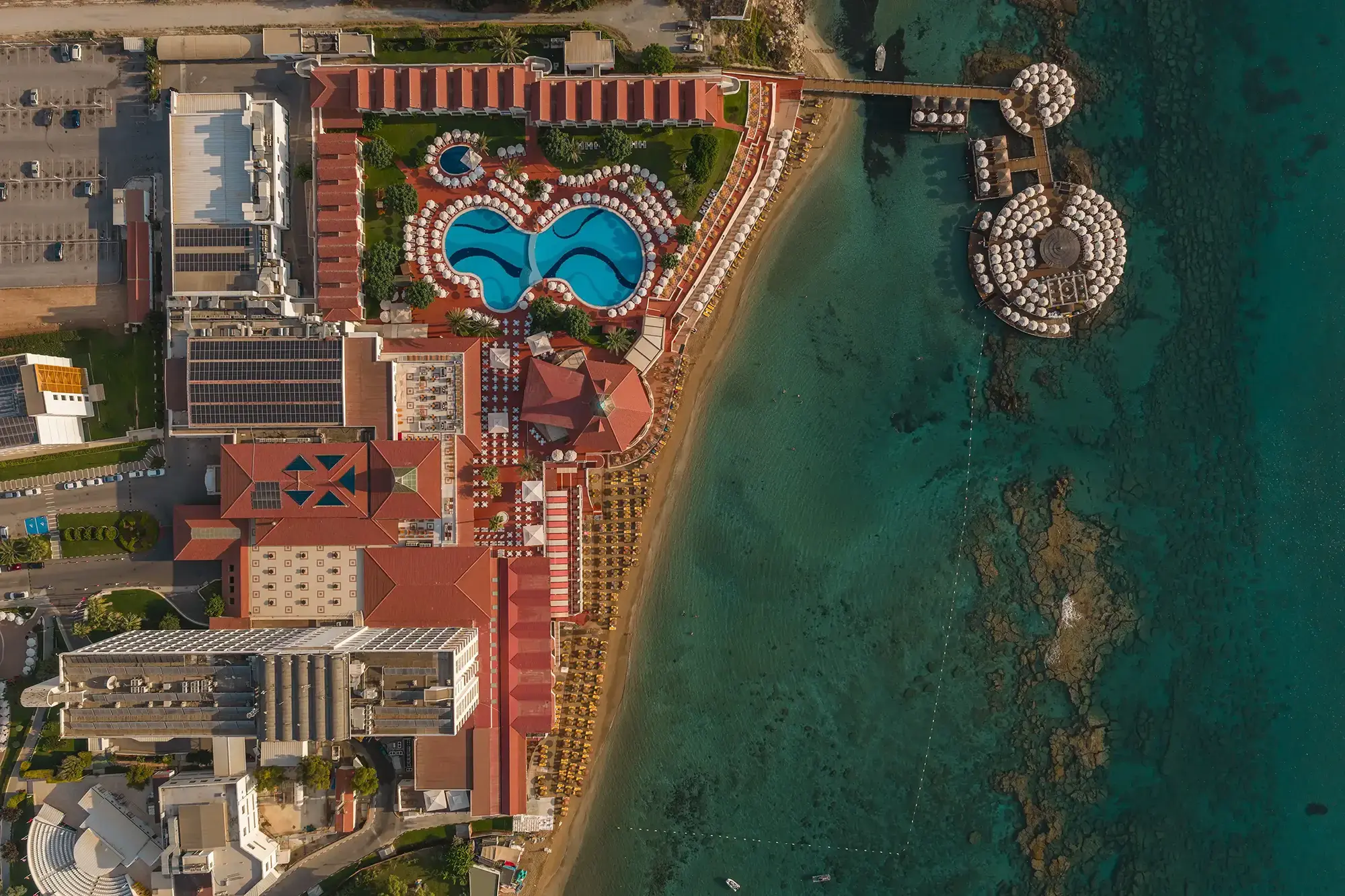
Stay by the Sea at Salamis Bay Conti
Among the finest Cyprus hotels, Salamis Bay Conti stands out for its beachfront location, expansive private shoreline and relaxing atmosphere. Its proximity to the unspoilt dive sites of the Karpaz Peninsula makes it an excellent choice for travellers who want to combine underwater exploration with a comfortable seaside stay. Offering an exceptional location and extensive facilities, Salamis Bay Conti provides the perfect base for discovering Northern Cyprus while enjoying a peaceful and memorable holiday by the Mediterranean.
You May Also Like: The Most Beautiful Bays in Northern Cyprus
Frequently Asked Questions About Diving in Cyprus
What is the best time of year for scuba diving in Cyprus?
The best diving conditions are typically found between May and October. During these months, sea temperatures are pleasantly warm and underwater visibility can exceed thirty metres. The calm summer waters make this the ideal season for anyone planning a diving-focused Cyprus holiday.
Do I need a diving certification to dive in Cyprus?
A recognised diving certification is required for independent scuba diving. However, if you have never dived before, there's no need to worry. Many licensed dive centres offer introductory dives under the supervision of experienced instructors, allowing beginners to enjoy their first underwater experience in complete safety.
Which dive sites are best for beginners?
Green Bay and Manchon Reef are excellent options for first-time divers thanks to their shallow depths and calm conditions. More advanced sites such as the Zenobia Wreck and Devil's Head are better suited to divers with greater experience.
What are the diving regulations in Northern Cyprus?
Independent diving is not permitted along the Northern Cyprus coastline. It is also illegal to remove or interfere with archaeological artefacts found underwater. During your Northern Cyprus holiday, always dive with a licensed dive centre and qualified guide to ensure both your safety and the preservation of the island's rich underwater heritage.